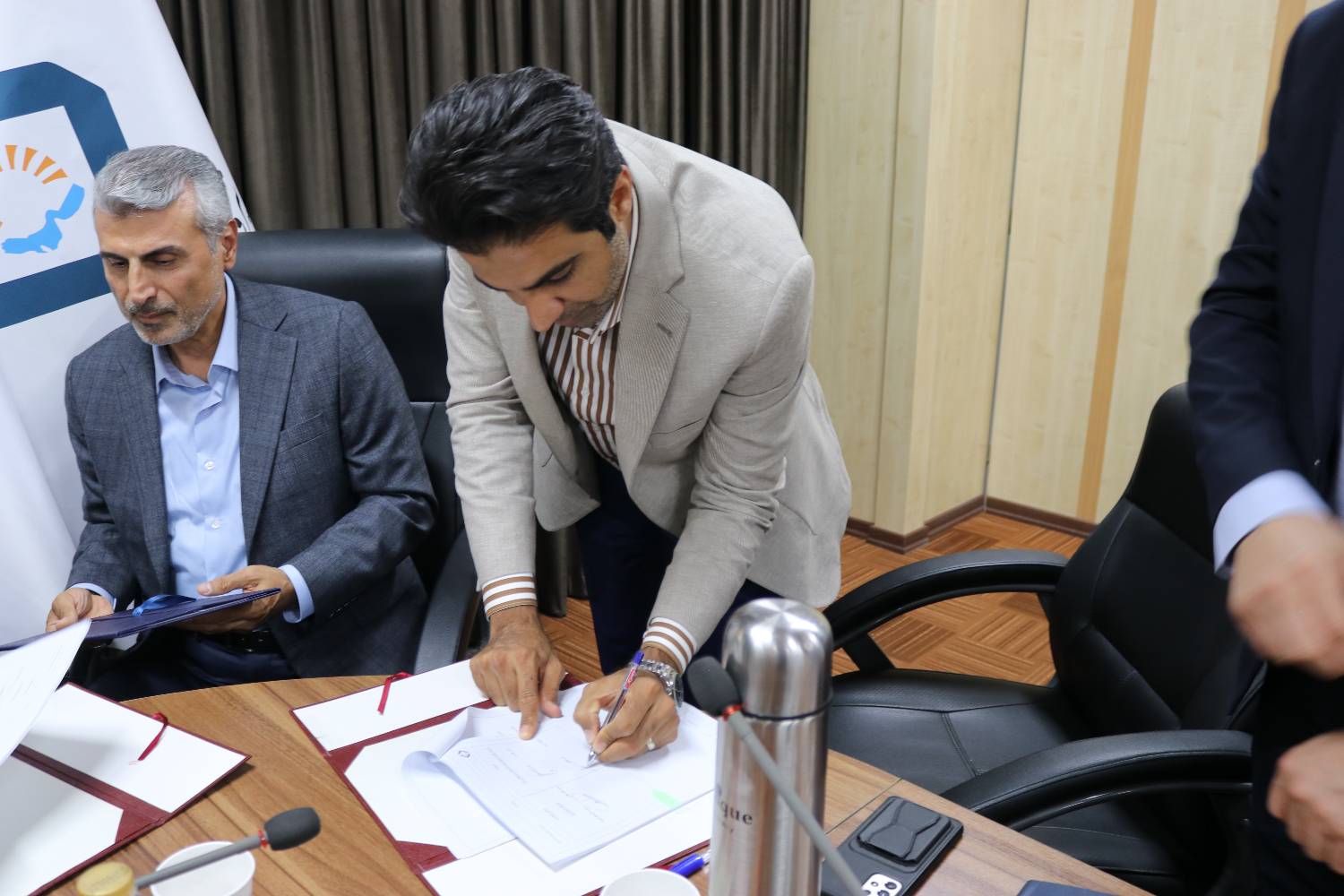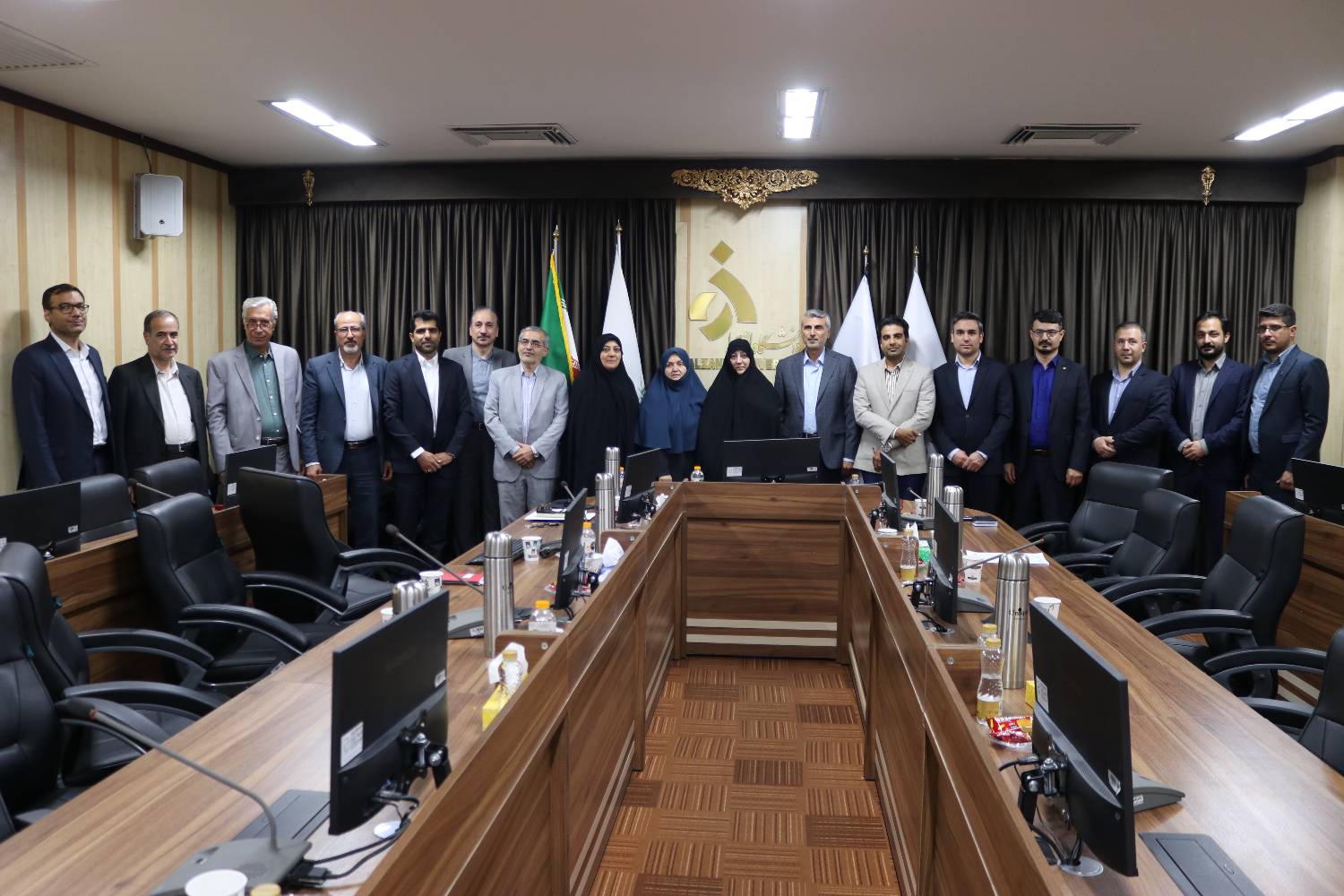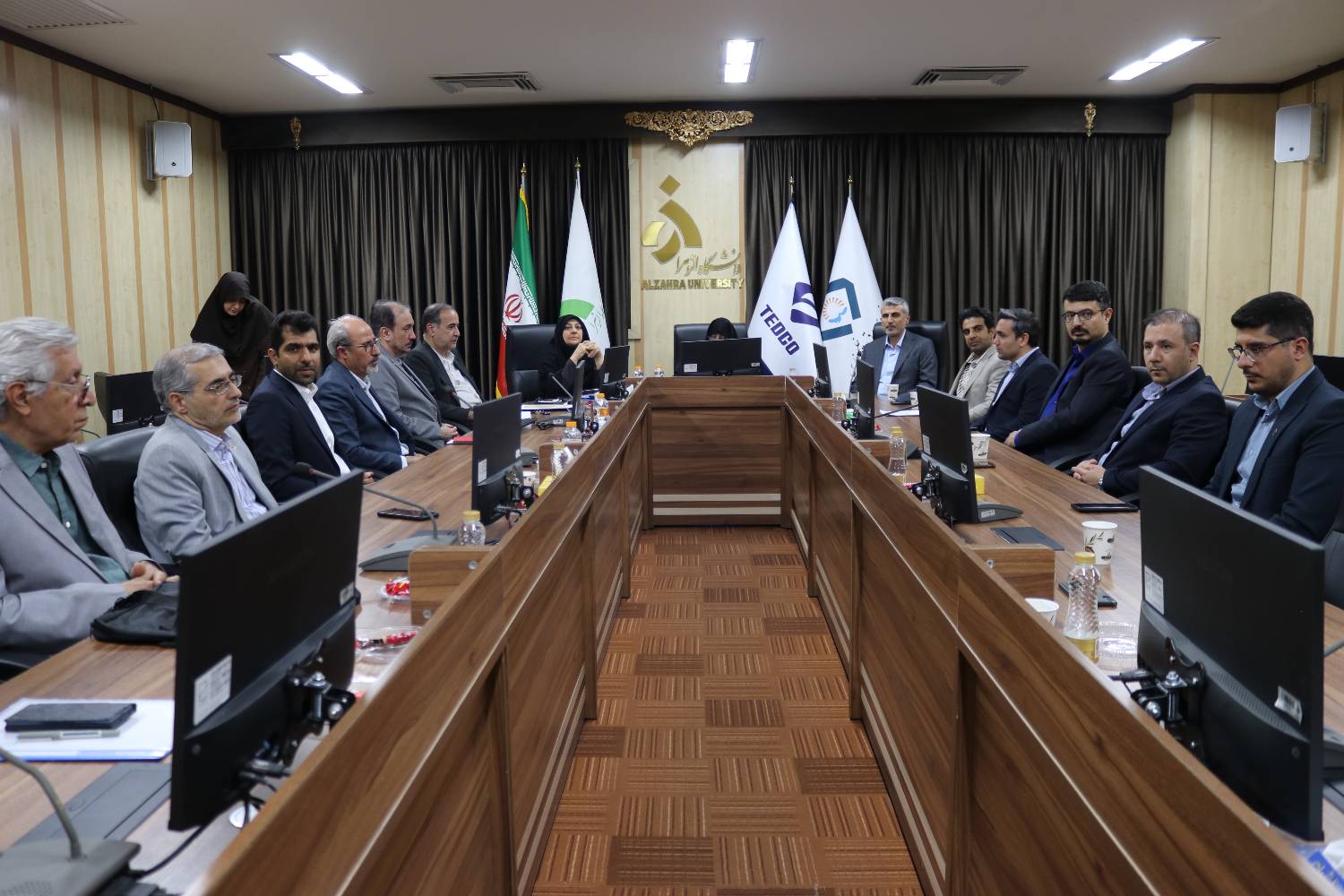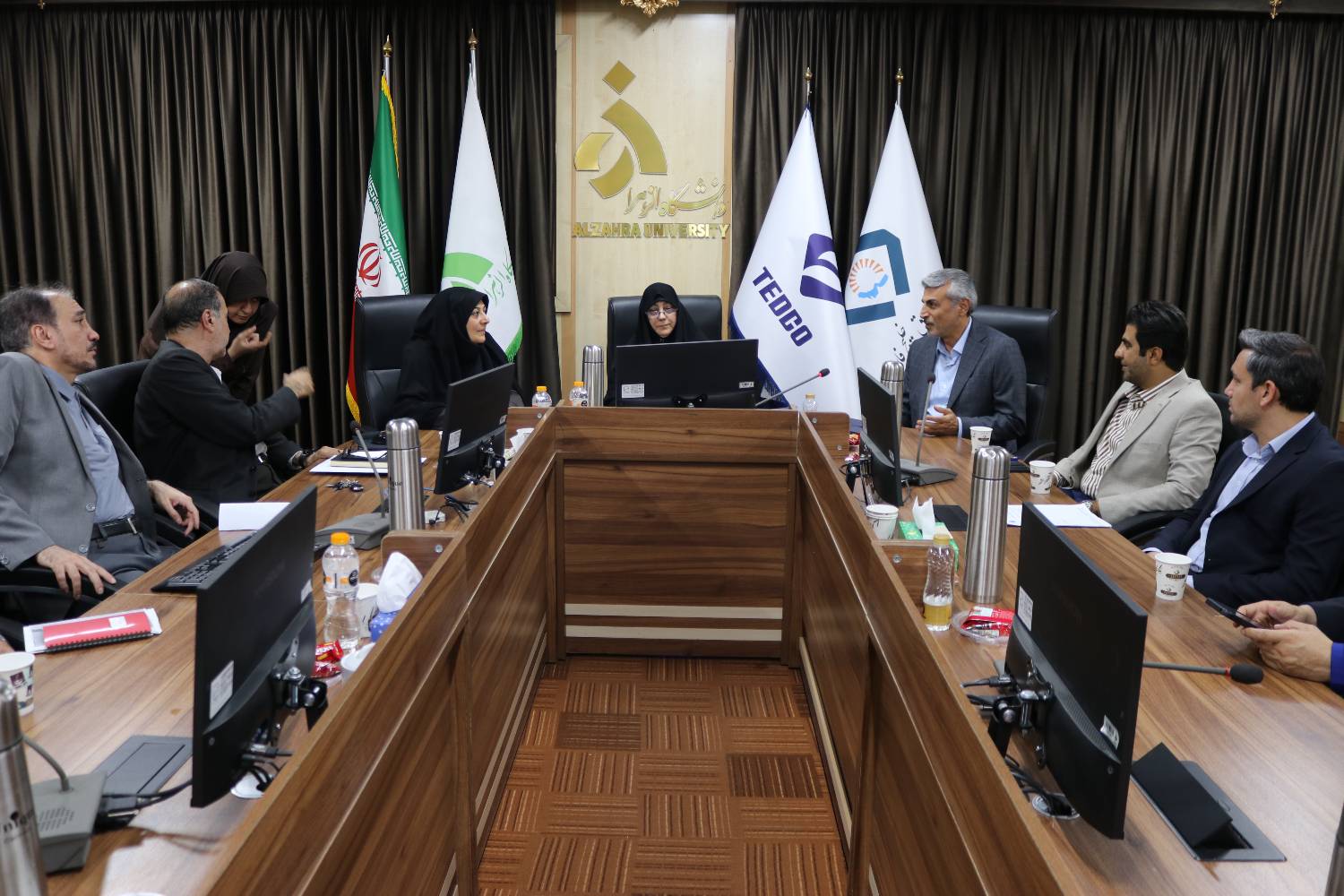
According to the Public Relations Office of Persian Gulf Power Generation Company, and in line with strengthening the link between academia and industry and advancing technological and knowledge‑based projects, a comprehensive MoU was signed between TEDCO, led by Dr. Bahman Salehi Javid, and Alzahra University, headed by Dr. Nazem Bokaee. In addition, a contract for design and development in the field of power plant optimization was concluded between Persian Gulf Power Generation Company, led by CEO Dr. Masoud Dirbaz, and Alzahra University. The ceremony, attended by faculty members of Alzahra University, marks an important step toward advancing scientific, industrial, and technological collaboration.
The Role of Energy and the Need for Industry–Academia Collaboration
Dr. Salehi Javid, CEO of TEDCO, emphasized the critical role of energy in today’s world and the importance of optimizing its utilization, while also highlighting the challenges and opportunities facing the country. He noted that international tensions and the need for energy self‑sufficiency have increased the importance of efficiency and the use of modern tools in energy production and consumption. He added that although concepts such as institutional strategies were once widely discussed, the emergence of artificial intelligence has transformed many of these perspectives.
He also pointed out that despite recent progress, significant gaps remain in areas such as energy production, consumption, and transmission compared to global standards. According to him, the operational sector increasingly requires knowledge and advanced technology, and awareness among enterprises regarding cooperation with scientific institutions has grown considerably. However, he noted that universities have not always been as active as expected in strengthening industry engagement and commercializing research outcomes.
Dr. Salehi Javid emphasized that while education and scientific production remain essential responsibilities of universities, the commercialization of knowledge requires both robust infrastructure and supportive institutional frameworks. He called for stronger cooperation beyond traditional approaches and encouraged academics to play a more active role in pursuing the objectives of the agreement and contributing innovative ideas to industry projects.
Innovation Potential in Energy and Academic Capabilities
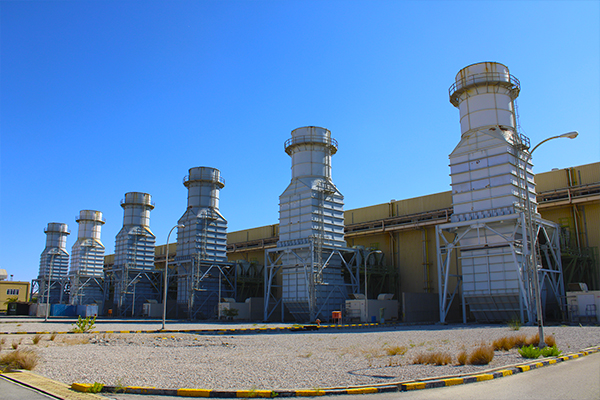
Dr. Salehi Javid also highlighted existing opportunities within the power sector. He noted that the Persian Gulf Power Plant—one of the country’s leading power plants—is currently undergoing development. Additional power plant projects are underway in Mashhad, Tabriz, and Garmsar, while small‑scale hydropower plants are also being pursued as part of a passive defense strategy.
He further pointed to emerging opportunities in distributed solar power plants, energy storage systems, and other advanced energy technologies that could contribute significantly to the future energy mix.
During the meeting, faculty members and specialists from Alzahra University presented the university’s research capacities and facilities across various disciplines. Discussions included the establishment of an industry corridor at Alzahra University, developments in energy storage technologies, solar power generation on lake surfaces, and potential collaboration with the university’s Science and Technology Park.
Participants also emphasized the importance of leveraging the capabilities of knowledge‑based companies. In addition, the concept of collaborative synergy among faculty members was discussed as a platform for generating joint ideas and innovative solutions in partnership with industry.
Strengthening Power Plant Capacity Through a Cooperation Contract
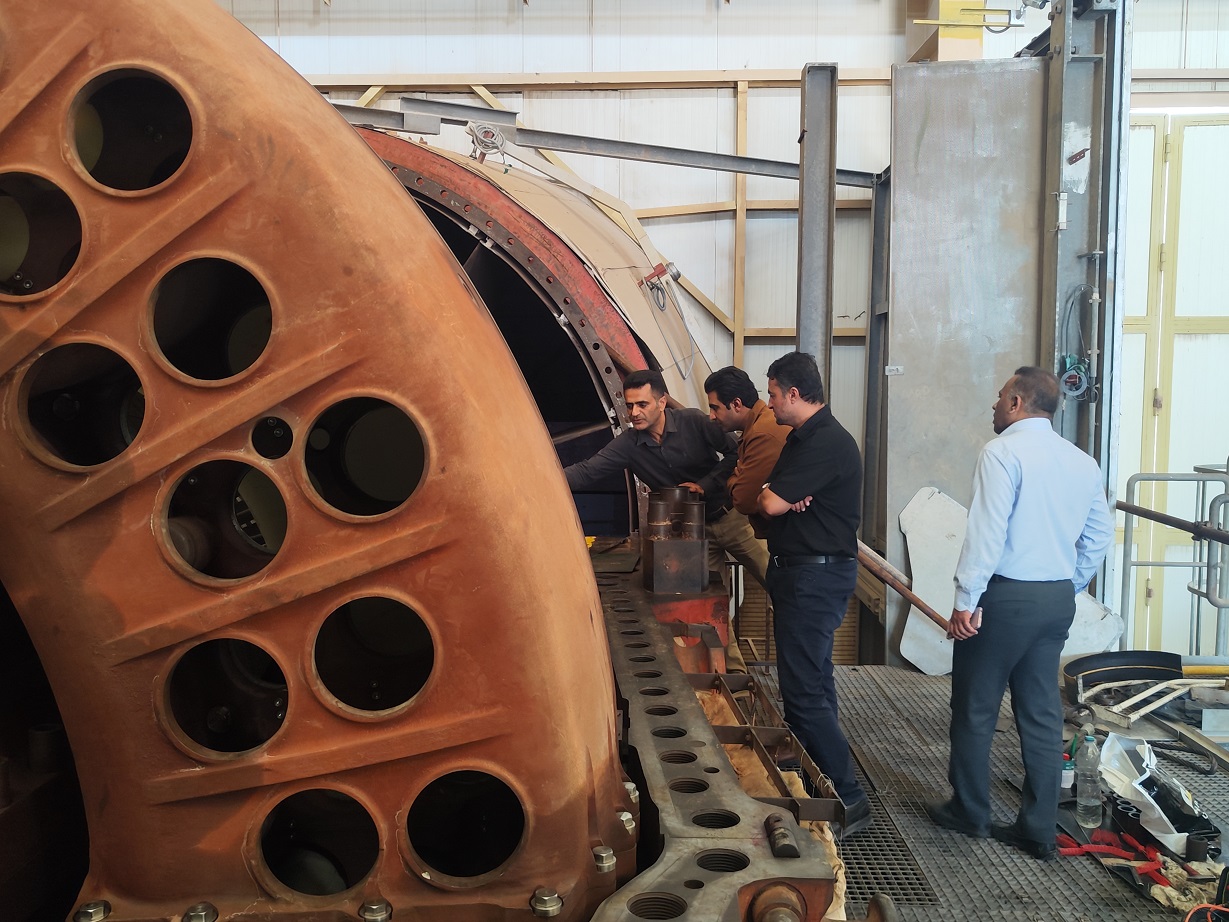
In another part of the event, Dr. Mohammad Sadegh Abedi‑Nejad, a member of the Board of Directors of Persian Gulf Power Generation Company and a faculty member at Alzahra University, highlighted the importance of innovation and managerial risk‑taking as key drivers of industrial development. He expressed appreciation for the cooperation between TEDCO and Persian Gulf Power Generation Company and outlined the details of the project aimed at increasing the capacity of the Persian Gulf Power Plant.
He stated that the primary objective of the project is to add at least 12 MW to the output of this unique power plant, which is currently the only operational plant of its kind in Iran and one of the few similar facilities worldwide. The implementation of the project is expected to generate financial savings amounting to hundreds of billions of Iranian rials.
Emphasizing the Implementation of Agreements
At the conclusion of the event, Dr. Nazem Bokaee, President of Alzahra University, stressed that the most important aspect of the agreement is its effective implementation. She stated that both parties must make every effort to operationalize the MoU and cooperation agreements so that multiple contracts can be concluded, teams can actively engage in the projects, and initiatives can move toward practical execution.
She also emphasized the concept of synergy between science and technical fields, explaining that the goal is to transform scientific knowledge into practical outcomes through collaboration with industry. According to her, neither field can progress independently: scientific knowledge requires industry to reach practical results, and industry needs scientific expertise to achieve sustainable advancement.
At the end of the meeting, a memorandum of understanding aimed at expanding scientific, industrial, technological, research, cultural, and educational cooperation—aligned with the objectives of Iran’s Seventh Development Plan—was signed between TEDCO and Alzahra University. Additionally, a contract was concluded between Persian Gulf Power Generation Company, led by CEO Dr. Masoud Dirbaz, and Alzahra University for the design and feasibility study of optimizing compressor inlet guide vane angles and increasing the output capacity of the Persian Gulf Gas Power Plant (VIGV+).