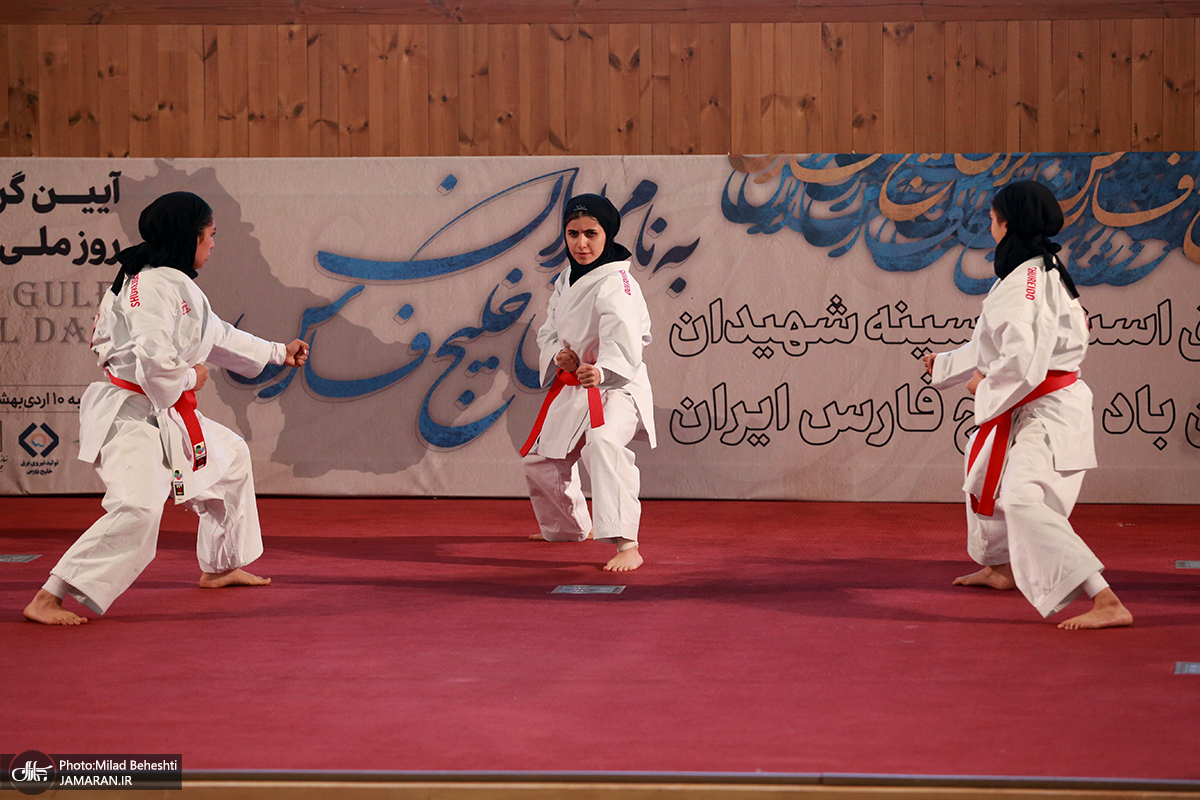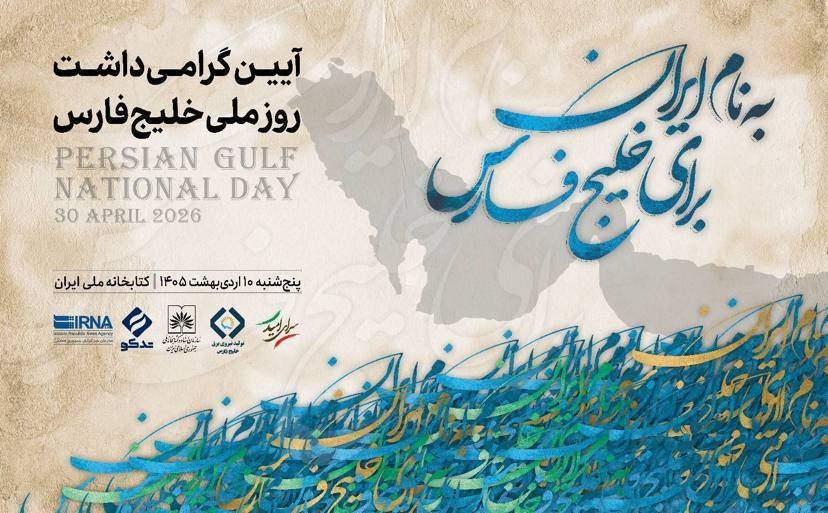
The commemoration ceremony for National Persian Gulf Day was held at the initiative of TEDCO, the Persian Gulf Power Generation Company, and the National Library and Archives of Iran, at the premises of the National Library and Archives of Iran. Holding this ceremony at the National Library and Archives of Iran was particularly significant, given the institution’s cultural and identity-based standing, and the choice of venue was well aligned with the theme of the event. The presence of various figures, the delivery of related speeches, and the performance of diverse programs altogether contributed to the ceremony being held in an appropriate and impactful manner in line with its cultural and national objectives.
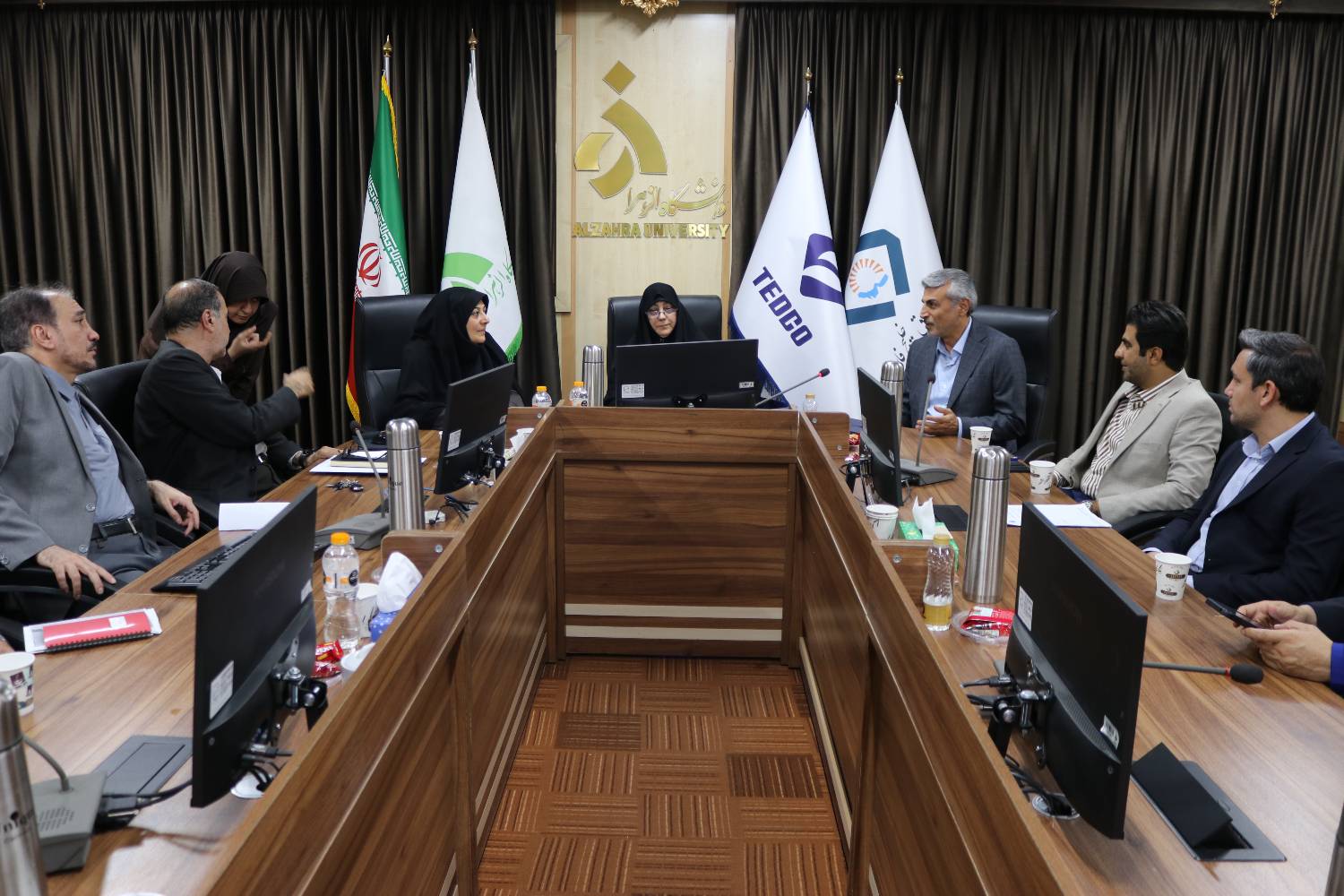
According to the Public Relations Department of the Persian Gulf Power Generation Company, the commemoration ceremony for National Persian Gulf Day was held on April 30 at the Qalam Hall of the National Library and Archives. The ceremony was attended by a large number of political and cultural officials, university professors, political and media activists, and a group of Iran enthusiasts. Among those present were Fatemeh Mohajerani, government spokesperson; Gholamreza Amirkhani, head of the National Library and Archives of Iran; Eshaq Jahangiri, first vice president in the eleventh and twelfth administrations; Ali Abdolalizadeh, special presidential representative for maritime economy; Gholamreza Zarifian; Bahman Salehi-Javid, CEO of TEDCO; Hossein Alaei; Majid Tefreshi, researcher in Persian Gulf studies; Ali Shams Ardakani, former diplomat at the Ministry of Foreign Affairs; and Masoud Dirbaz, CEO of the Persian Gulf Power Generation Company.
The ceremony was held in a formal and cultural atmosphere, with the participation of various figures from academic, cultural, and executive fields. During the event, several guests and speakers delivered remarks, each discussing the historical, cultural, civilizational, and strategic importance of the Persian Gulf from their own area of expertise.
In the delivered speeches, emphasis was placed on the necessity of preserving the name and status of the Persian Gulf, strengthening public awareness of the historical background of this body of water, and the importance of conveying these concepts to future generations. Some speakers also highlighted, with reference to historical documents, sources, and the cultural capacities of the country, the role of scientific and cultural institutions in promoting and consolidating this national identity.
From the perspective of information dissemination and media coverage, the National Persian Gulf Day ceremony received appropriate attention, and through the use of available capacities, related news and reports about the event were published across media and informational platforms. The media coverage played an effective role in reflecting the cultural and national dimensions of the ceremony, introducing the organizers’ objectives, and conveying the main message of the event to a wider audience.
During the ceremony, news content, reports, images, and related coverage were published through relevant media outlets and information channels, making it possible for audiences to become familiar with the event’s content, the speakers’ attendance, and the various program segments. This helped ensure that the message and importance of commemorating National Persian Gulf Day were reflected beyond the ceremony venue and received attention from both enthusiasts and the general public.