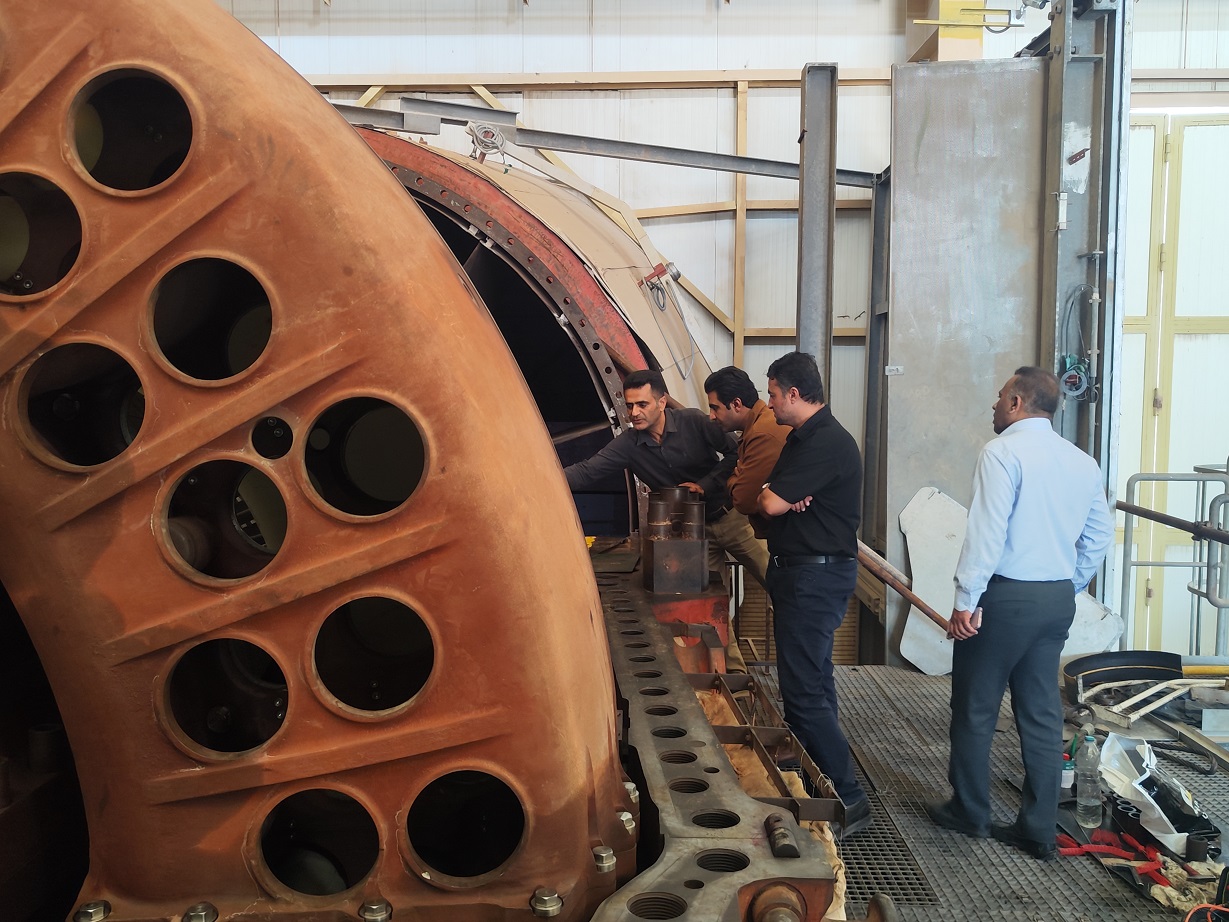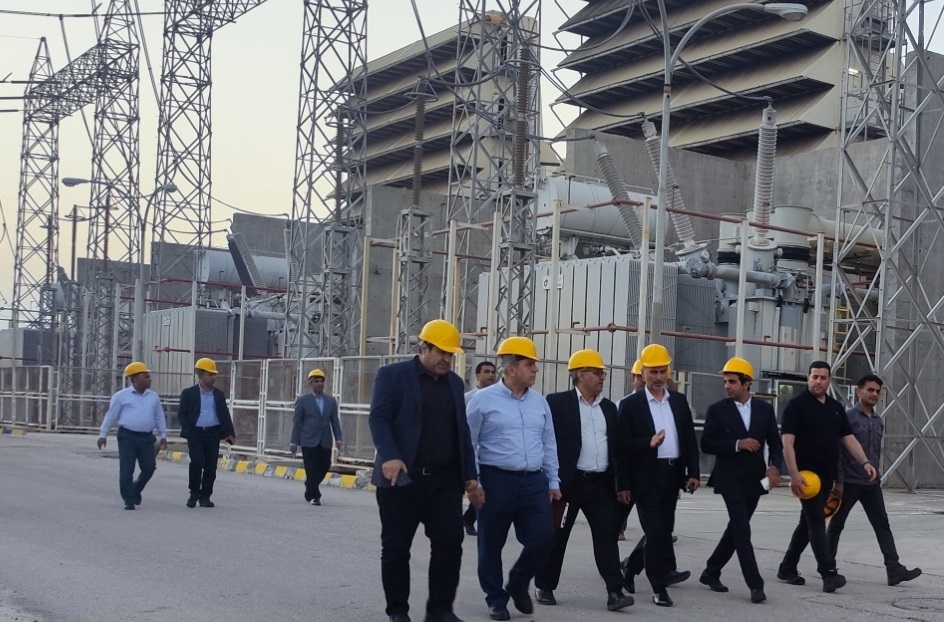
During a visit to the Persian Gulf Power Plant, the CEO of Tamin Energy Development Management Holding (TEDCO) emphasized that decisions related to power plant operations must ultimately serve the interests of retirees.
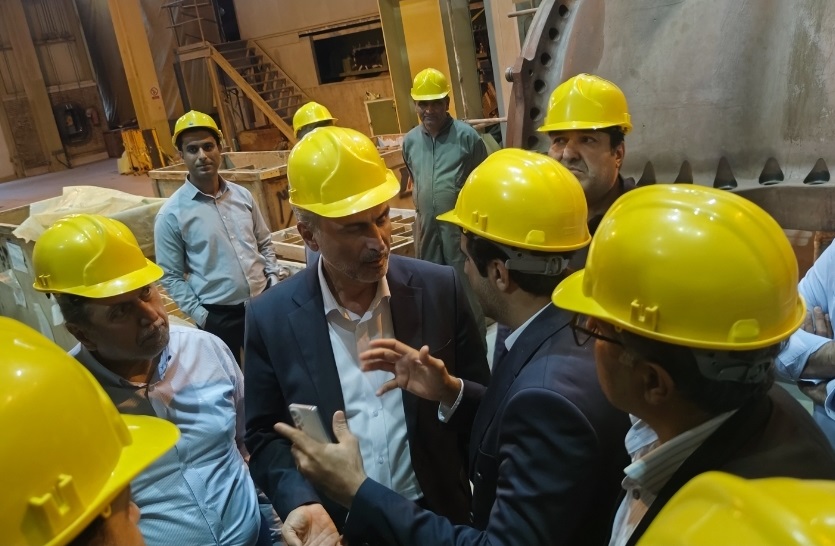
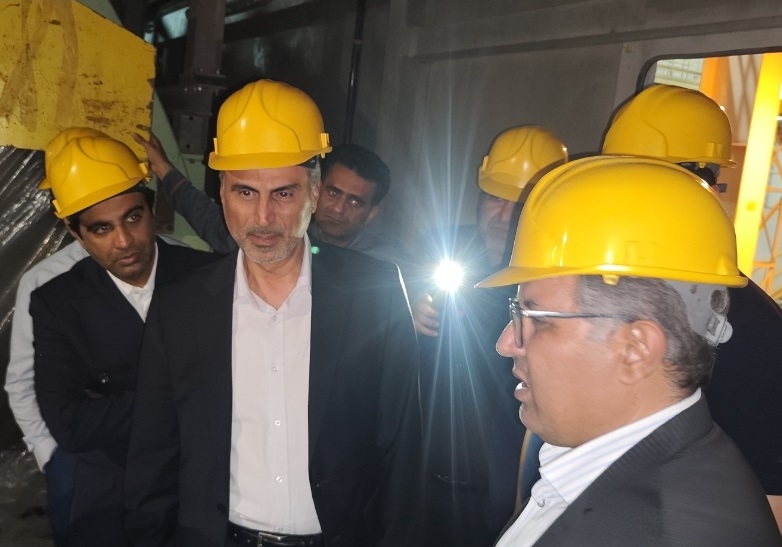
According to TEDCO’s Public Relations Office, as part of a field assessment of the technical and operational status of the Persian Gulf Power Plant, the CEO of TEDCO visited the facility alongside the CEO of Persian Gulf Power Generation Company, the CEO of the Persian Gulf Power Plant, and Ali Khani, advisor to the CEO of TEDCO.
At the beginning of the visit, the management of the operating company and the plant’s technical officials presented a comprehensive report on the status of the gas units, the procurement of spare parts, activities carried out during the overhaul period, and the plant’s technical and financial requirements. This was followed by a field inspection of the operational units, during which topics such as equipment performance, the region’s climatic conditions, sustainable maintenance requirements, and their impact on production efficiency were reviewed.
Strategic Role of the Persian Gulf Power Plant
Dr. Bahman Salehi Javid, CEO of TEDCO, highlighted the critical role of the Persian Gulf Power Plant in the country’s electricity supply system. He noted that the facility is one of the main electricity generation centers in southeastern Iran, and the stability of its operations has a direct impact on the balance of the national power grid, the supply of electricity to major industries, and the effective management of peak demand periods.
Referring to the climatic conditions of Hormozgan Province, he added that high temperatures, intense humidity, and continuous operational pressure on equipment require greater attention to maintenance systems, precise scheduling of repairs, and technical decision‑making based on operational realities. Accordingly, TEDCO has placed strong emphasis on supporting major maintenance operations, securing critical spare parts, and increasing the operational readiness of the plant’s units.
Supporting Production and Addressing Strategic Challenges
The CEO of TEDCO emphasized that effectively supporting electricity production requires coordinated action beyond the operational level. Addressing the challenges faced by power plants demands continuous follow‑up at managerial and higher institutional levels.
In this regard, issues such as ensuring a stable supply of natural gas fuel, facilitating the procurement of key components, modernizing equipment, and securing the necessary financial resources are being actively pursued by TEDCO in coordination with the Social Security Investment Company (Shasta).
Development Plans and Efficiency Improvements
Salehi Javid also referred to TEDCO’s development‑oriented approach, noting that implementing a combined‑cycle project at the Persian Gulf Power Plant could significantly improve efficiency, reduce fuel consumption, and enhance the economic performance of electricity generation.
He emphasized that TEDCO strongly supports projects aimed at increasing efficiency and optimizing the use of available resources.
Contribution to the Social Security System
Highlighting the broader economic role of power generation within the Social Security ecosystem, Salehi Javid explained that the Persian Gulf Power Plant is not merely a production facility. Rather, it forms part of a broader value chain that contributes to generating sustainable revenue used to support pension payments and benefits for retirees.
For this reason, he noted, every managerial decision at the plant is made with a strong sense of responsibility and with the objective of protecting the interests of stakeholders—particularly the community of retirees.
Appreciation for the Plant’s Workforce
He further stated that increasing electricity production and improving efficiency at the Persian Gulf Power Plant is not only a technical objective but also an economic and social necessity. By improving unit efficiency, reducing unplanned outages, and managing operational costs effectively, the plant can increase profitability, which in turn strengthens the company’s financial capacity to meet its obligations to retirees.
Salehi Javid emphasized that the plant’s management is focused on maintaining continuous production, improving unit readiness, advancing efficiency‑enhancing projects, and eliminating operational bottlenecks in order to create stable and reliable revenue streams.
He concluded by expressing appreciation for the efforts of the Persian Gulf Power Plant’s employees, stating that skilled and responsible human resources remain the most important asset of the country’s power industry. The successful operation of power plants under challenging conditions, he noted, is the result of the continuous dedication of technical, operational, and managerial teams.
TEDCO, he added, remains committed to providing the necessary infrastructure to support its human capital and ensure the continuation of stable electricity production at this strategic power plant.
Explaining the Strategic Position of the Persian Gulf Power Plant in Hormozgan’s Electricity Production
Continuing the visit, Dr. Masoud Dirbaz, CEO of Persian Gulf Power Generation Company, presented a report on the plant’s operational status and stated that the Persian Gulf Power Plant has accounted for the largest share of electricity generation in Hormozgan Province in recent years. As the province’s largest and most influential power plant, it plays a decisive role in maintaining the stability of the power grid in southern Iran.
Referring to the region’s unique climatic conditions, he noted that high temperatures and significant humidity place additional pressure on power plant equipment. Maintaining stable electricity production under such circumstances requires the precise implementation of major and intermediate maintenance programs as well as the full readiness of technical personnel—requirements that are continuously pursued at the Persian Gulf Power Plant.
Overhaul of Unit 6
Dr. Dirbaz explained that the overhaul operation of Unit 6 is currently underway through continuous coordination among the plant’s technical, operational, maintenance, and support departments. He added that the managerial support provided by TEDCO and Tamin Energy Development Company has played an effective role in supplying spare parts, accelerating operational processes, and removing implementation obstacles.
Maintenance and Development Programs to Improve Efficiency
Emphasizing the plant’s development‑oriented strategy, Dr. Dirbaz stated that alongside maintaining the current generation capacity, serious efforts are underway to improve efficiency and enhance the plant’s performance.
In this regard, the implementation of a combined‑cycle project has been identified as one of the most important development initiatives for the Persian Gulf Power Plant. The project is expected to increase efficiency, reduce fuel consumption, and improve the economic performance of electricity generation.
He further noted that ensuring a stable supply of natural gas fuel, access to critical spare parts, equipment modernization, and maximizing the use of domestic capabilities are among the essential requirements for maintaining reliable production at the plant. According to him, the plant’s management is actively pursuing these objectives through close coordination with higher‑level organizations.
Human Resources and Knowledge Transfer
Highlighting the importance of human resources, Dr. Dirbaz stated that skilled and committed employees are the plant’s most valuable asset. Continuous training, skills development, and maintaining employee motivation are therefore considered essential to ensuring stable production and achieving future development goals.
He also noted that a significant number of the plant’s experienced specialists and technical personnel are approaching retirement age, making strategic workforce planning increasingly important to ensure uninterrupted and sustainable operation of the generating units.
For this reason, obtaining the necessary legal permits for recruiting new personnel has become one of the company’s key managerial priorities.
According to Dr. Dirbaz, the recruitment of technical and specialized personnel must be conducted transparently, legally, and through national recruitment examinations to ensure fairness while selecting capable and trainable candidates aligned with the plant’s technical requirements.
He emphasized that this approach not only strengthens the plant’s human capital but also contributes significantly to increasing operational reliability and reducing future operational risks.
The CEO added that newly recruited personnel are expected to work alongside experienced employees to facilitate a structured and practical transfer of knowledge, skills, and operational experience from the older generation to the next. This policy, he explained, will help preserve technical expertise within the plant while supporting sustainable production, improved efficiency, and the long‑term interests of stakeholders.
Development‑Driven Vision of the Persian Gulf Power Plant
During the visit, Mohammad Moheni‑Nejad, Chairman of the Board and CEO of the Persian Gulf Power Plant, also emphasized the plant’s strategic position within the country’s electricity generation structure.
He stated that due to its geographical location, generation capacity, and direct connection to major industrial centers and consumption hubs, the Persian Gulf Power Plant is considered one of the strategic nodes of the southern power grid. Its role extends beyond that of a conventional power generation facility and includes supporting the regional stability of the electricity network.
From a managerial perspective, he explained, the plant’s importance lies in its reliability during critical situations and peak demand periods. The facility must always maintain a level of readiness that allows the national grid to depend on it during sensitive periods.
Therefore, the plant’s strategic policies are based on long‑term stability, reducing operational risks, and preserving effective generation capacity.
Moheni‑Nejad further emphasized that the Board of Directors and plant management maintain a forward‑looking perspective, and projects such as the combined‑cycle expansion are defined within this long‑term vision. Such projects, he stated, can strengthen and solidify the Persian Gulf Power Plant’s position as one of the key energy suppliers in southern Iran.
Domestic Capabilities and Technological Upgrades
During the visit, the country’s domestic capabilities in manufacturing and supplying power plant components were also evaluated, and the technical expertise of local specialists was highlighted as one of the strategic advantages of Iran’s power industry.
In addition, participants reviewed solutions for improving unit performance and modernizing equipment through the use of advanced technologies.
Final Meeting and Future Priorities
At the conclusion of the visit, a summary meeting was held during which participants emphasized prioritizing actions related to securing a stable natural gas supply, accelerating the completion of maintenance operations, improving efficiency, and advancing toward the implementation of the combined‑cycle project.
Plant officials stated that, given the facility’s existing capabilities, the complex is fully capable of executing major development projects. With the support of higher‑level companies and TEDCO’s strategic policies, efforts to improve efficiency and increase electricity generation capacity will continue seriously.
The visit was conducted with the aim of evaluating the progress of major and intermediate maintenance operations, assessing the readiness of generating units for the upcoming operational period, and identifying future operational challenges.
It is worth noting that Persian Gulf Power Generation Management Company operates as a subsidiary of TEDCO, which is affiliated with the Social Security Investment Company (Shasta). The Persian Gulf Power Plant is located 45 kilometers east of Bandar Abbas and 11 kilometers from the Sarkhun gas field. The plant has a generation capacity of 990 MW and consists of six 165‑MW GT13E2 gas units manufactured by Alstom Switzerland, constructed on a 110‑hectare site.